

Changed While Serving: The Discipleship Power of Short-Term Missions
Forming Real Disciples While Meeting Real Needs...On Both Sides of the Mission.
In an era where ministry leaders are increasingly focused on sustainability, strategy, and measurable outcomes, short-term mission trips can sometimes feel like a luxury—or worse, an inefficient use of resources. But when done well, they remain one of the most powerful tools the local church has for discipleship and Kingdom impact.
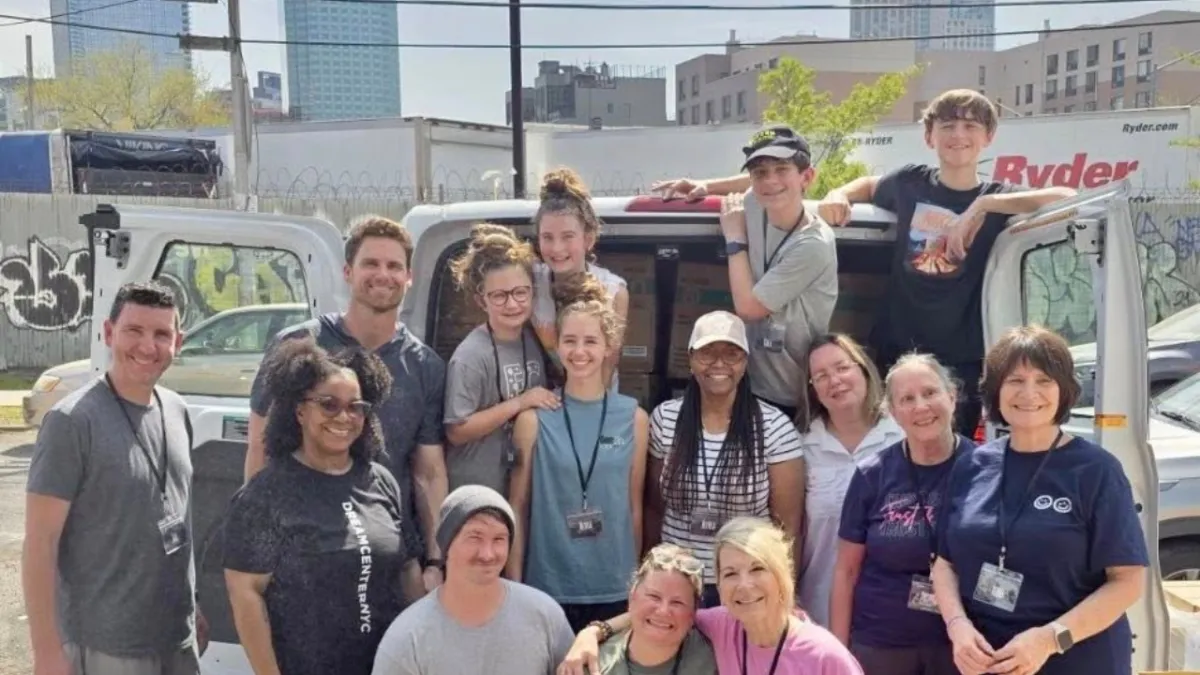
Last week, my wife Terri spent six days serving in New York City with Dream Center NYC. With a team from our church, Connection Church, she helped pack food, clothing, and baby products for outreach partners, participated in street evangelism and prayer tours, and connected with teens and ministry leaders through a community basketball tournament. What she experienced—and what many of us have seen over the years—is a compelling reminder: short-term missions are not just about what we do, but about what God does in us and through us.
The Benefit for Those Being Served
At their best, short-term mission trips meet tangible needs while reinforcing ongoing local ministry.
1. They multiply the reach of trusted local partners.
Organizations like Dream Center NYC are already embedded in their communities. Short-term teams don’t replace that work—they accelerate it. Packing supplies, assisting outreach efforts, and showing up for community events create immediate capacity for ministries that are often stretched thin.
2. They provide relational encouragement.
Beyond the tasks, there’s something deeply meaningful about presence. When volunteers walk the streets, pray with individuals, or simply engage in conversation, they communicate value and dignity. For many being served, that human connection is just as impactful as the resources provided.
3. They create moments of spiritual openness.
Street evangelism and prayer tours aren’t just activities—they open doors. In a fast-paced city like New York, where people often feel unseen, these intentional interactions create space for the gospel to be heard and experienced in personal ways.
4. They invest in the next generation.
Participating in a teen basketball tournament may seem simple, but it’s strategic. It builds trust, fosters community, and creates safe environments where relationships—and eventually spiritual conversations—can grow.
The Benefit for Those Serving
While the outward impact is significant, the inward transformation is often even greater.
1. Perspective shifts.
There’s something about stepping into a different context—even for a few days—that reframes how we see our own lives, churches, and communities. Volunteers return with a renewed awareness of both need and opportunity.
2. Discipleship accelerates.
Short-term trips compress spiritual growth. When you’re praying with strangers, sharing your faith, and serving consistently for several days, your dependence on God deepens quickly. These experiences often become spiritual markers in a person’s journey.
3. Faith becomes active, not theoretical.
Many believers struggle to move from knowing to doing. Mission trips close that gap. They provide a structured environment where people can practice evangelism, prayer, and service in real time.
4. Calling becomes clearer.
For some, a short-term trip is the first time they sense a specific burden—for a city, a people group, or a type of ministry. Even if they never return to that exact context, it often shapes how they engage locally.
A Strategic Tool for the Local Church
For executive pastors, the question isn’t just should we do mission trips?—it’s how do we do them well?
The most effective churches approach short-term missions with intentionality:
They partner, not parachute. Trips are built around trusted local ministries with ongoing presence.
They prepare their people. Volunteers are trained spiritually and culturally before they go.
They debrief thoroughly. The experience doesn’t end when the trip does; it’s processed and applied back home.
They connect it to the larger vision. Missions aren’t a side ministry—they’re an expression of the church’s mission to make disciples.
Final Thought
Short-term mission trips aren't the end goal—they're a catalyst. When aligned with strong local partnerships and a clear discipleship strategy, they create a twofold impact: meeting real needs in the moment while shaping more engaged, mission-minded followers of Jesus for the long term.
Terri came back from New York encouraged, stretched, and reminded of why this kind of ministry matters. And that’s the beauty of it—when we go to serve, we often discover that God is doing just as much work in us as He is through us.





Facebook
Instagram
X
LinkedIn
Youtube