

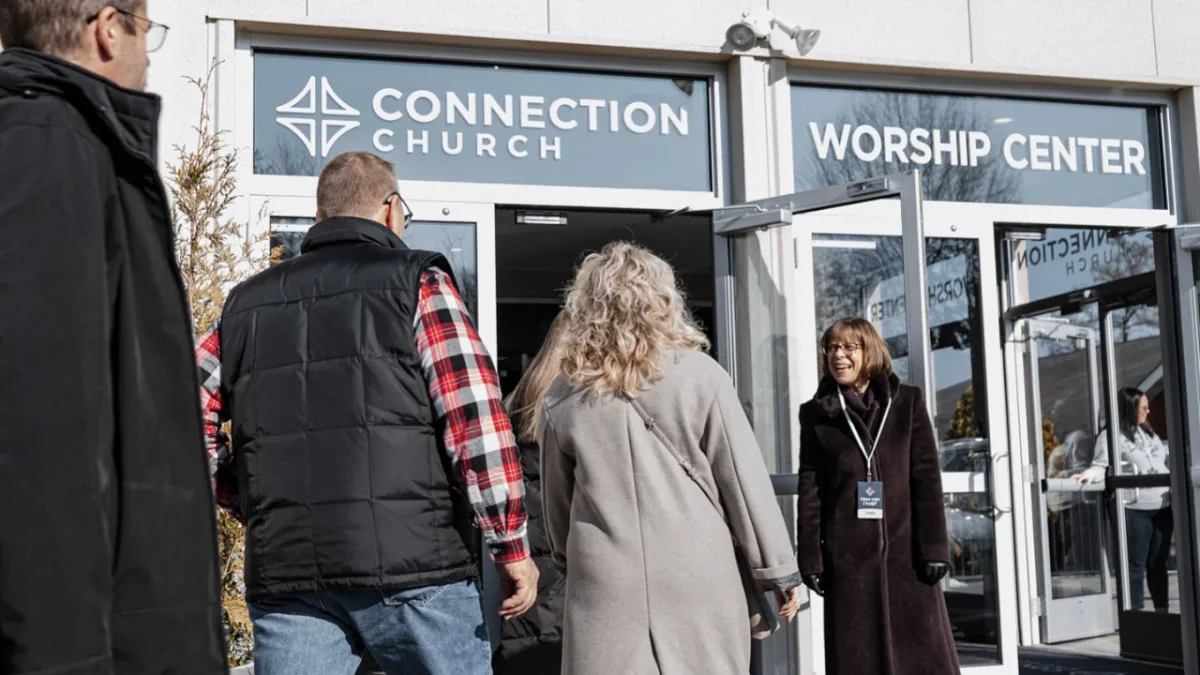
Helping the Church Connect
How Leaders Foster Meaningful Relationships with Newcomers and One Another
One of the most powerful marks of a healthy church is the strength of its relationships. People come to church longing to be seen, known, and welcomed—not just by pastors, but by other believers. While warm hospitality begins with leadership, it multiplies when the entire congregation learns to connect intentionally. Church leaders play a vital role in shaping this culture, teaching their people what it means to extend the love of Christ through genuine relationship.
1. Modeling Connection From the Front
Healthy connection begins with what leaders model. When pastors and ministry leaders are approachable, present, and relational, the congregation follows. Simple habits—lingering in the lobby, remembering names, engaging in conversation, and showing interest—send a powerful message: this is who we are.
When leaders openly prioritize relationships, people learn that connecting with others is not an optional nicety but a core expression of Christian community.
2. Teaching the Biblical “Why” Behind Connection
It’s not enough to ask people to greet newcomers or build relationships; leaders must teach why it matters. Scripture paints a clear picture of a church family marked by love, unity, and encouragement. Passages like Romans 12, Hebrews 10:24–25, and Acts 2:42–47 reveal a community committed to life together.
Church leaders help the congregation understand that:
Connection is an act of discipleship.
Hospitality reflects God’s heart for every person.
Relationships strengthen faith and create belonging.
Welcoming others is part of the Great Commission lived out weekly.
When people see that connecting with others is a spiritual practice, not just a social gesture, they engage with greater purpose.
3. Equipping the Church With Practical Tools
Many people want to connect—but aren’t sure how. Effective leaders offer simple, usable tools that make relational ministry feel natural:
Teach “first five minutes” hospitality: Encourage everyone to spend the first few minutes after service greeting someone they don’t know.
Train people to ask meaningful questions: Move beyond small talk to life-giving, encouraging conversation.
Coach on reading body language: Help congregants notice when someone looks lost, unsure, or alone.
Encourage name-learning strategies: Using names makes people feel truly seen.
Normalize small acts of friendliness: A smile, a wave, an invitation to sit—tiny gestures often make the biggest difference.
When people know how to connect, they feel empowered to step into it consistently.
4. Creating Pathways for Relationships to Grow
Church leaders also develop the environments where connection naturally happens. From small groups to volunteer teams to fellowship events, every relational pathway helps people move from feeling like guests to feeling like family.
Healthy relational pathways include:
Welcoming and connection teams
Newcomer lunches or “discover” classes
Serving opportunities that foster teamwork
Interest-based small groups
Ministry events that encourage interaction
By intentionally designing spaces for community, leaders give people more than a Sunday greeting—they give avenues for deeper relationships to form.
5. Encouraging a Culture of Initiative
Leaders consistently remind the congregation: If you notice someone, you are the one to reach out. This mindset shifts connection from the responsibility of a few to the calling of the whole church.
Initiative-building behaviors include:
Walking slowly so you can notice others
Introducing two people who might connect
Following up with someone you meet
Inviting newcomers to a group, event, or coffee
Sharing your story and inviting theirs
Over time, this creates a church where everyone understands they have a role in making people feel valued and included.
6. Celebrating Stories of Connection
Testimonies of people who felt welcomed, found community, or were invited into meaningful relationships inspire others. When leaders celebrate these moments—on Sundays, in emails, or in small groups—they reinforce that connection is both honored and expected.
Stories build momentum. They remind the church that simple acts of kindness often have eternal impact.
Conclusion: A Connected Church Is a Strong Church
Ultimately, church leaders teach connection by modeling it, explaining the biblical foundation, equipping people with practical tools, and creating intentional spaces for relationships to grow. When the congregation embraces this vision, newcomers feel seen, long-time members feel valued, and the church reflects the warmth and love of Christ.
A connected church becomes a thriving church—one where relationships open doors for discipleship, belonging, and transformed lives.





Facebook
Instagram
X
LinkedIn
Youtube