

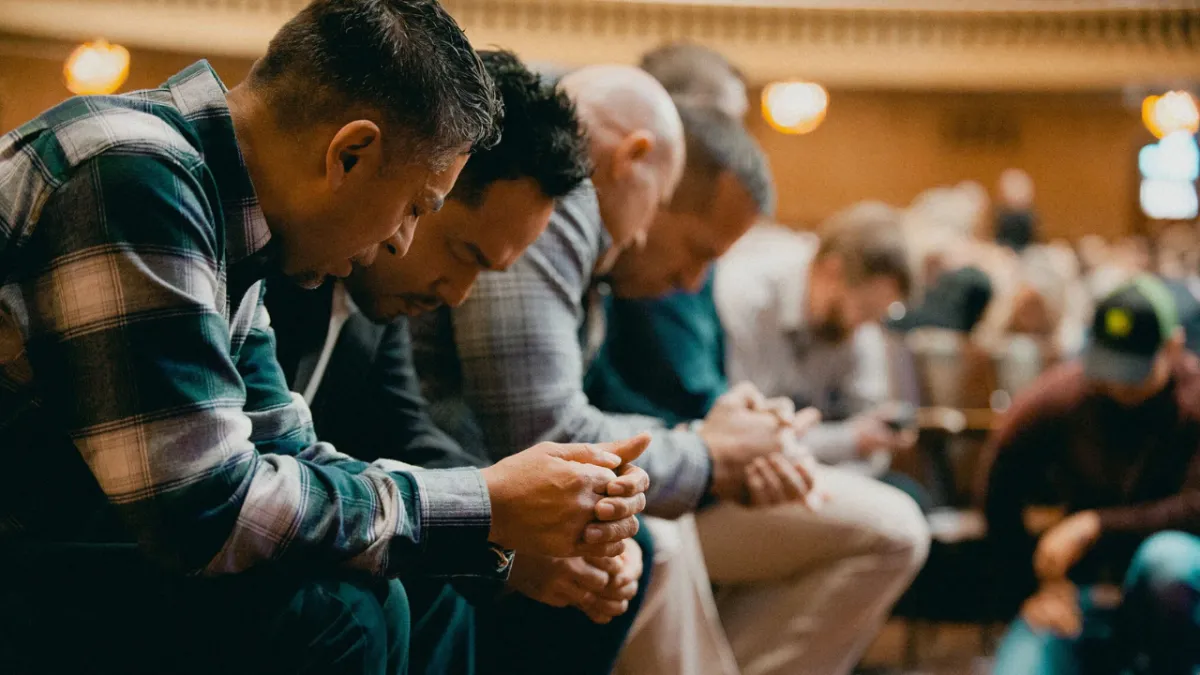
Scaling Pastoral Care as Your Church Grows
A Quite Tension in a Growing Church
In a smaller church, the model is simple. The pastor knows everyone. When someone ends up in the hospital, the pastor goes. When a marriage hits trouble, the pastor meets with the couple. When someone experiences a loss, the pastor shows up at the door.
That works beautifully…until it doesn’t.
At some point—usually somewhere between 300 and 600 in attendance—the math simply stops working. A church that size might represent 200 to 300 households. At that scale, it’s no longer possible for the senior pastor, or even the pastoral staff, to personally handle every care situation.
And yet the need for care hasn’t decreased. If anything, it’s increased.
So the question becomes: How do you scale pastoral care without losing the personal nature of it?
The answer lies in creating a layered model of care rather than relying on a single level of pastoral response.
The Three Levels of Care
Most healthy, growing churches eventually develop three distinct levels of care, whether they do so intentionally or not.
The key is to design the system before the pressure forces it.
Level One: Community Care (Small Groups)
The first and most important level of care should happen in small groups. This is where the majority of everyday pastoral care should live.
Think about the kinds of needs that arise in a church:
A family member goes into the hospital
Someone needs a meal after surgery
A couple needs encouragement during a difficult season
Someone is grieving a loss
A new baby arrives
These situations don’t require a pastor to lead the response. What they require is community.
Small groups are uniquely positioned to provide that.
When a church reaches the 500–700 range, the healthiest model is one where small groups carry the majority of relational care, including:
Prayer support
Meals
Hospital visits
Encouragement during difficult seasons
Practical support
In many ways, this model actually improves care. Instead of one pastor showing up once, a person now has an entire group walking with them.
But this only works if the church clearly communicates expectations to group leaders. They need to understand that part of their role isn’t just leading a discussion—it’s shepherding people.
Level Two: Ministry Care Teams
The second layer of care is often a trained volunteer care team.
Many churches refer to this as a Shepherding Team, Care Team, Stephen Ministry, or Pastoral Care Team.
These are trusted volunteers who are equipped to walk with people through more significant life situations.
Examples might include:
Ongoing grief support
Marriage struggles
Care during extended illness
Financial crisis situations
Spiritual mentoring
These volunteers aren’t acting as counselors or pastors. Instead, they’re providing intentional spiritual support and presence.
A well-developed care team multiplies a church’s pastoral capacity dramatically. Instead of three or four pastors carrying the load, you might have 20 to 40 trained caregivers helping to meet needs across the congregation.
This layer becomes especially valuable as the church grows beyond 500.
Level Three: Pastoral-Level Care
Finally, there are situations that truly require pastoral leadership and discretion.
These might include:
Complex marriage crises
Spiritual counseling
Situations involving church discipline
Funerals and memorial services
Hospital visits involving critical illness
Highly sensitive family issues
These are the moments when people rightly expect a pastor to step in.
But notice the difference in a layered system.
Instead of pastors trying to carry every need, they’re able to focus on the situations where their presence matters most.
The Role of an On-Call Pastor
Many churches in the 500–700 range eventually implement an on-call pastoral rotation.
This system allows the church to respond quickly to urgent needs while distributing the responsibility across the pastoral team.
A typical structure might include:
One pastor assigned as on-call for the week
Responsible for urgent situations such as:
Hospitalizations
Deaths
Crisis care
The role rotates weekly among the pastoral staff
This simple structure eliminates confusion. Staff members know who’s responsible. Congregants know there’s always someone available.
It also prevents the senior pastor from becoming the default responder for every emergency.
The Executive Pastor’s Role
This is where the executive pastor often becomes the architect of the care system.
Left unmanaged, pastoral care tends to become reactive and pastor-dependent. But with intentional design, it becomes scalable and sustainable.
That usually involves:
Clarifying which needs belong at which level of care
Training Life Group leaders to provide relational shepherding
Developing and equipping a volunteer care team
Establishing an on-call pastoral rotation
Creating communication pathways so needs don’t fall through the cracks
In other words, pastoral care shouldn’t rely on heroic effort. It should function as a system that serves people well as the church grows.
A Final Thought
Ironically, churches sometimes worry that scaling pastoral care will make things feel less personal.
The opposite is usually true.
When care happens primarily through pastors, people may receive attention in moments of crisis—but they may lack ongoing relationships.
When care happens through community, trained volunteers, and pastors working together, people experience something much closer to the New Testament picture of the church.
“Carry each other’s burdens…” (Galatians 6:2)
That’s not a job description for pastors alone. It’s the calling of the entire church.
And when that happens, pastoral care doesn’t diminish as a church grows.
It multiplies.





Facebook
Instagram
X
LinkedIn
Youtube